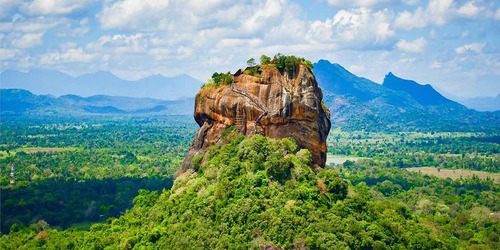
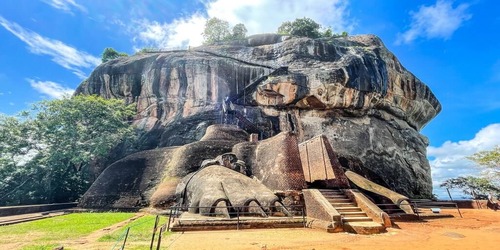
Sri Lanka's history goes back thousands of years, and its architecture still shows how skilled and creative its ancient builders were. One of the most remarkable places is Sigiriya, or Lion Rock. Rising almost 200 meters above ground, it was built in the 5th century by King Kashyapa as both a fortress and a royal palace. Climbing to the top, you pass colorful frescoes, a shiny mirror wall, and huge stone lion paws at the entrance. From the summit, the view of forests, lakes, and distant villages is breathtaking. Sigiriya isn't just an engineering marvel; it's also a UNESCO World Heritage Site that captures the attention of anyone interested in Sri Lanka’s early civilization.
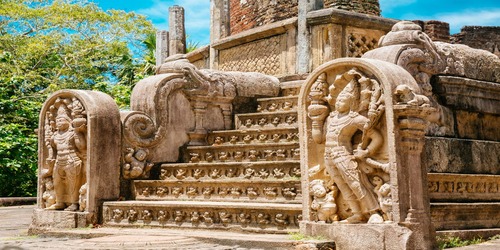
There are also other old cities like Anuradhapura and Polonnaruwa, which used to be powerful capitals. They’re full of temples, monasteries, and giant stupas that tell stories of faith and artistry. In Anuradhapura, you can see the Ruwanwelisaya stupa and the sacred Jaya Sri Maha Bodhi, said to be the world's oldest tree planted by human hands. Polonnaruwa, another World Heritage Site, holds massive stone Buddha statues, elegant palaces, and man-made lakes that reveal how advanced Sri Lankan engineers were centuries ago. Walking through these ruins gives a real sense of how rich and sophisticated the island’s culture has always been.
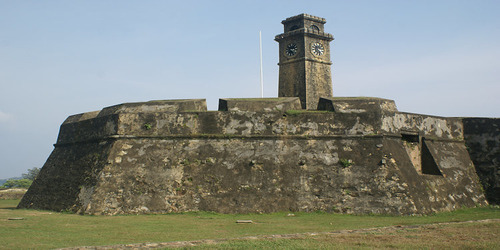
Later, Sri Lanka's architecture took influences from abroad. The Portuguese, Dutch, and British each left their mark through forts, churches, and government buildings that still stand today. Galle Fort, first built by the Portuguese and then modified by the Dutch, remains one of Asia's best-preserved colonial sites. Its narrow streets and sea-facing walls make you feel as if time has slowed down. In modern cities like Colombo and Kandy, old colonial houses still stand beside modern buildings. Together, Sigiriya, the ancient cities, and colonial buildings tell the story of Sri Lanka’s long history in a way that's both interesting and easy to see.